Food Security
Food Security Is Family Security
At Summit Hallow, food is not treated as a commodity, an amenity, or a convenience. It is treated as core infrastructure, equal in importance to housing, power, and water.
When families are unsure where their next meals come from, everything else in life becomes unstable. When food is secure, predictable, and visible, stress drops away and life regains rhythm.
The entire Summit Hallow food system exists to answer one question clearly and permanently:
Will families be fed—no matter the season, the market, or the disruption?
The answer is yes—by design.
A purpose-built food ecosystem
Food security is achieved through a layered, redundant ecosystem spanning production, preservation, storage, and distribution. No single element is allowed to become a point of failure.
Homestead share
Every resident household is supported through a regular homestead share, ensuring baseline access to fresh produce, proteins, and staple foods produced on the property.
Shared meals
Summit Hallow centers community life around shared meals, seasonal gatherings, and collective tables—stabilizing culture through real connection.
A purpose-built food ecosystem
- Working homesteads producing food daily
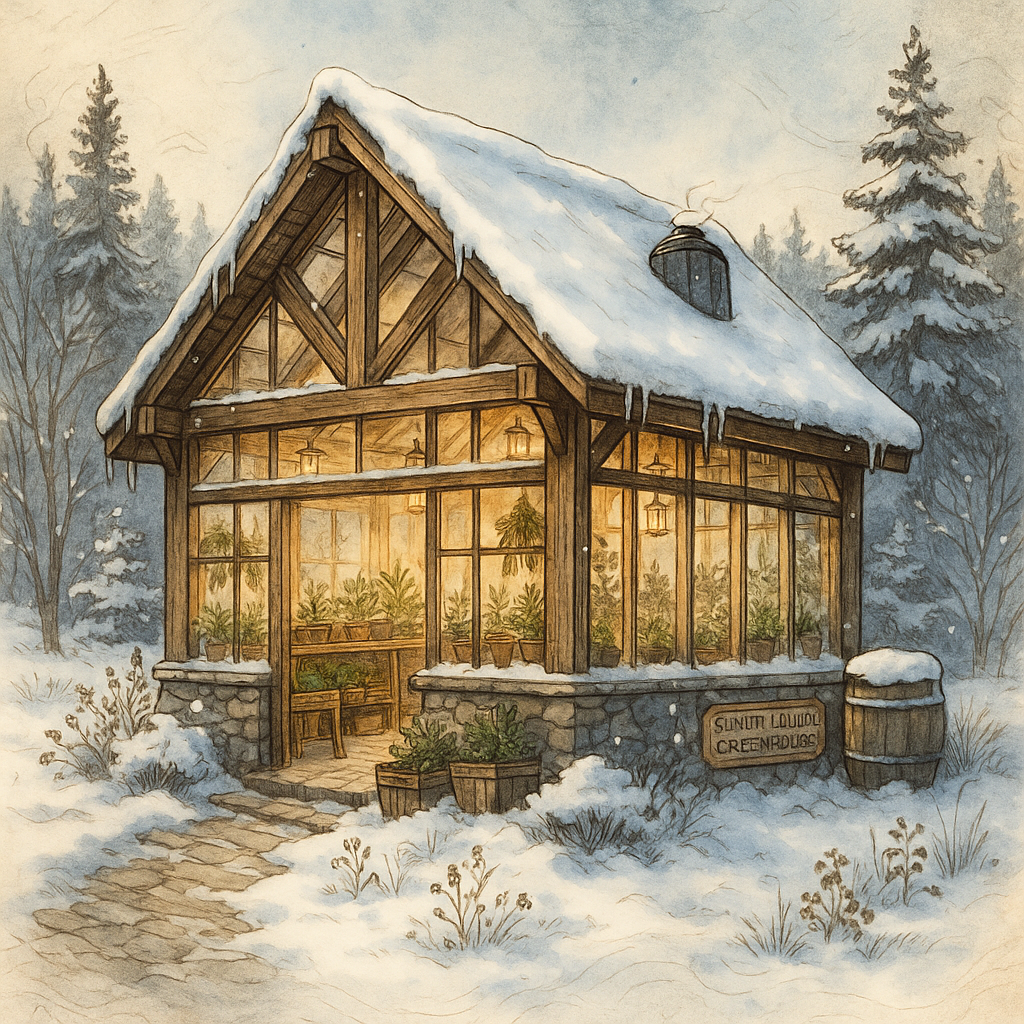
- Greenhouses operating year-round
- Community perennial gardens producing for decades
- Pasture-based livestock systems
- Preservation and cold-storage infrastructure
- Shared distribution and reserve management
Each layer reinforces the others. When one slows, another carries the load. This is not accidental abundance. It is engineered resilience.
Year-round pantry & reserves
Summit Hallow maintains intentionally managed food reserves designed to bridge seasonal gaps, absorb poor harvest years, and eliminate panic-driven scarcity.
- Preserved vegetables and fruits
- Dried, fermented, and cured foods
- Frozen and cold-stored harvests
- Shelf-stable staples and essentials
Food is preserved at peak quality and stored with long-term continuity in mind. The goal is not stockpiling—it is calm continuity. Pantries are meant to feel boringly full. That’s how you know they’re working.
Homestead share
Every resident household is supported through a regular homestead share, ensuring baseline access to fresh produce, proteins, and staple foods produced on the property.
- Reduces dependence on external grocery systems
- Stabilizes household food costs
- Creates predictable access across seasons
- Ensures equity between households
This is not charity. It is a designed baseline—because a community cannot function if food access is uneven. Families should never wonder whether they are “covered.”
Visible food systems
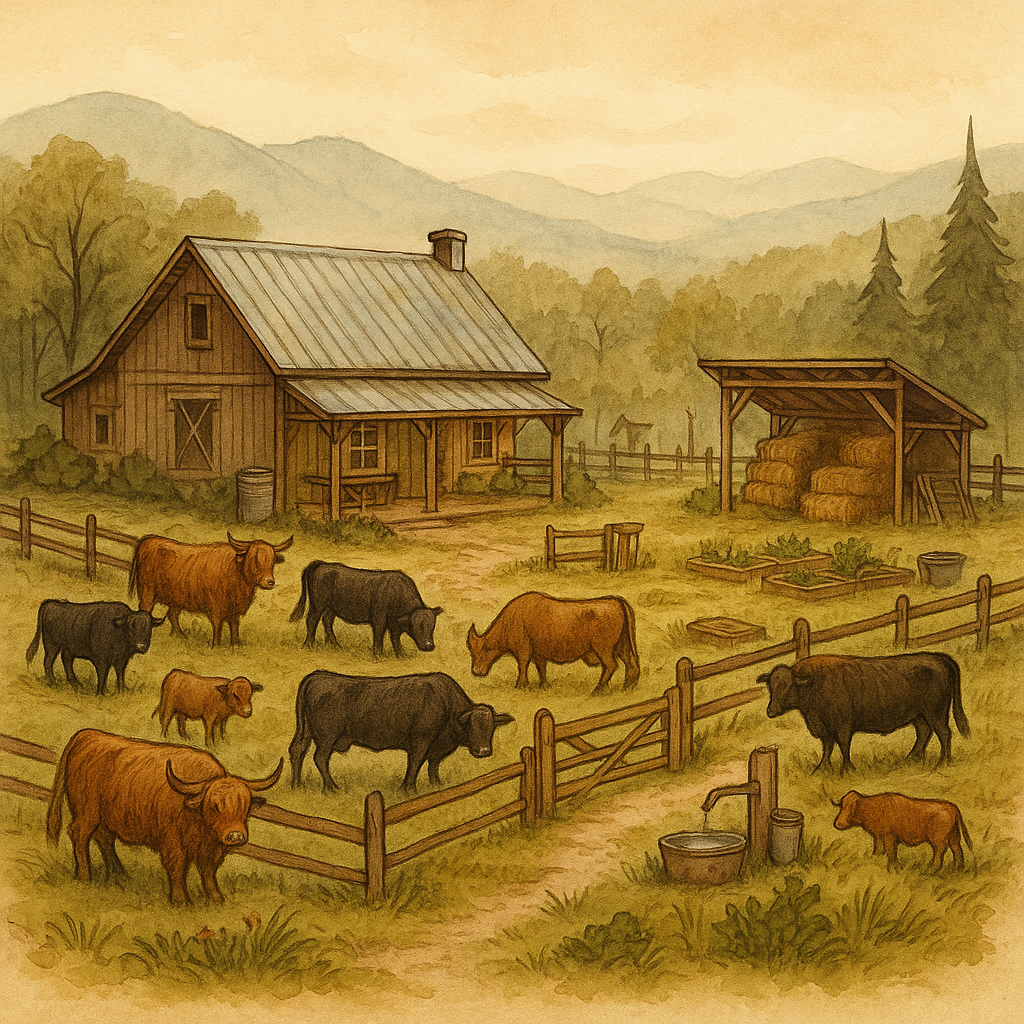
Families live alongside the systems that feed them. Children see crops planted and harvested, animals raised and cared for, food preserved and stored, and meals prepared from real ingredients.
This visibility builds trust, literacy, and respect. Food is no longer abstract—it is understood.
Shared meals & community tables
Food security is not only about supply—it is about connection. Summit Hallow centers community life around shared meals, seasonal gatherings, and collective tables.
- Strengthen social bonds
- Create familiarity across families
- Reinforce shared rhythms and traditions
- Anchor culture in something tangible
Shared meals are not events. They are infrastructure for belonging.
Reducing daily cognitive load
Food systems are designed to operate quietly in the background. Families are not expected to constantly plan, hoard, or worry about supply interruptions.
- Fewer daily decisions
- Less anxiety around availability
- More mental space for parenting and life
Food security is most successful when families stop thinking about it.
Built for disruption—without fear
- Long winters
- Poor harvest years
- Weather extremes
- Supply chain failures
- Market instability
This is not alarmism. It is responsibility. Resilience is built quietly, long before it’s needed.
Food as a shared responsibility
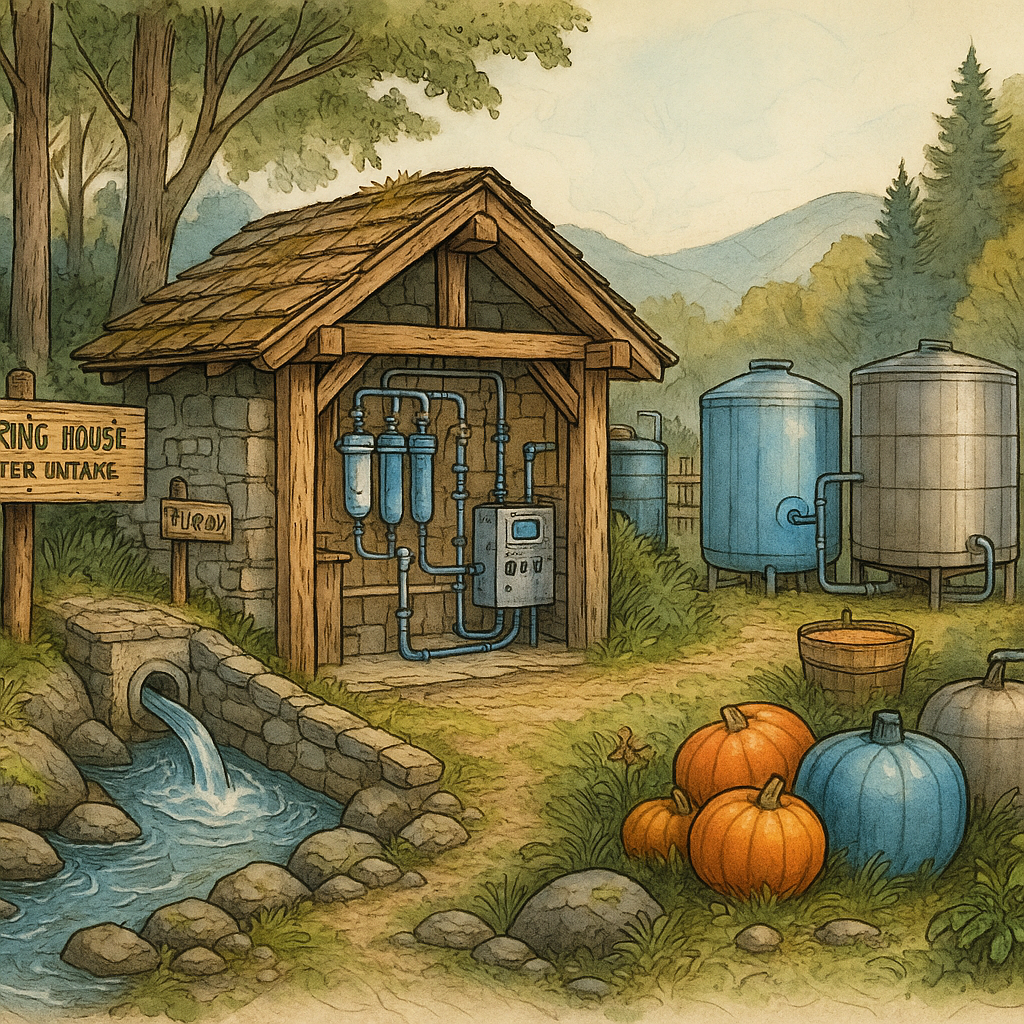
Food security is maintained at the community level, not pushed onto individual households. Production, preservation, and distribution are coordinated so no family carries the burden alone.
- Predictability
- Fairness
- Reduced waste
- Collective confidence
A foundation you don’t think about
- Pantries are stocked
- Meals are normal
- Children are fed
- Life moves forward
No drama. No anxiety. No collapse narratives. Just quiet reliability.
Food that holds the community together
Summit Hallow treats food the way strong towns always have: as something real, local, shared, and secure.
Because when food is stable, families are stable. And when families are stable, everything else can be built.