
Gardens
Food for People. Feed for Animals. Resilience for Decades.
Every Summit Hallow property includes expansive community perennial vegetable gardens designed to support both human food systems and livestock nutrition with minimal ongoing effort. These gardens are built around vegetables that return year after year, thrive in difficult conditions, and quietly increase productivity over time.
The result is a multi-use food landscape that feeds families, supplements livestock, and strengthens the entire property ecosystem.
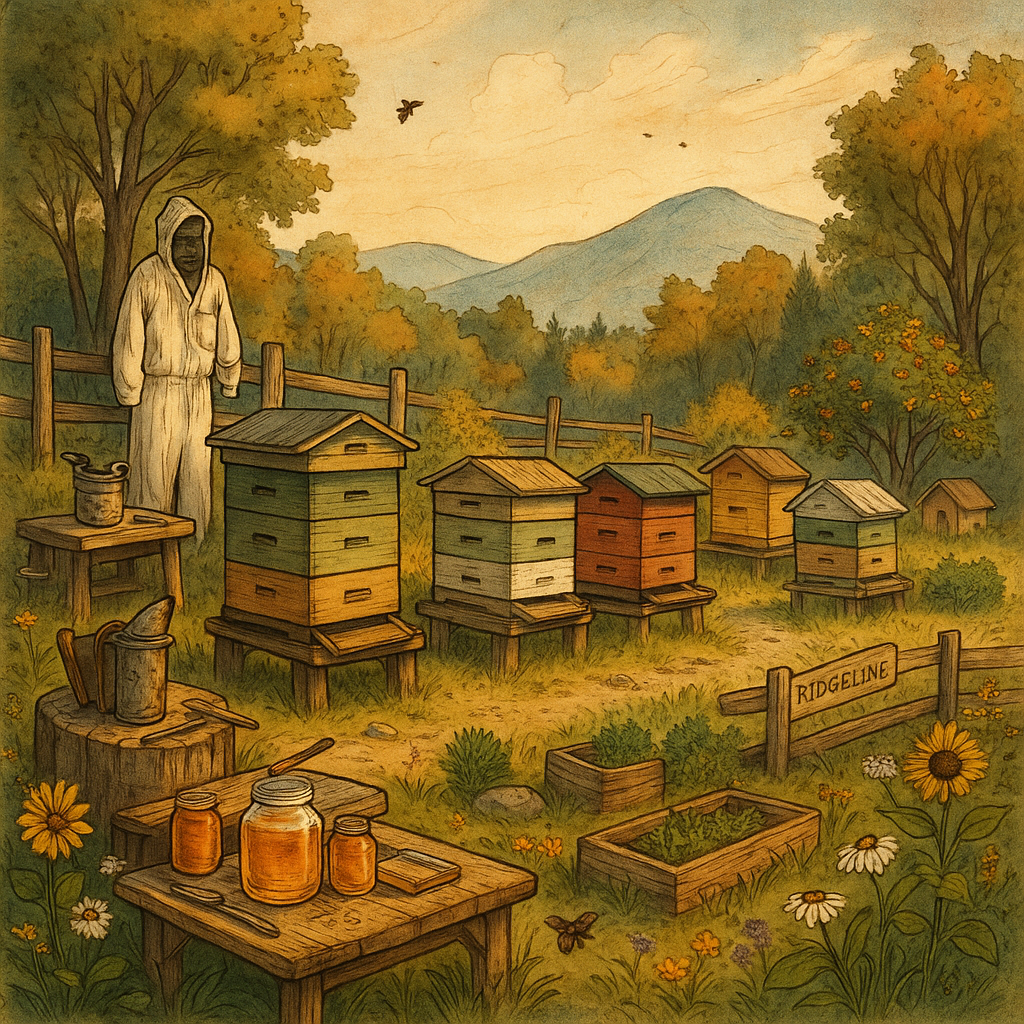
Why perennial vegetables
Perennial vegetables establish deep root systems that access water and nutrients far below the surface. Once established, they require little to no replanting, reduced watering, minimal weeding, and few external inputs.
A garden for every condition
The gardens intentionally include vegetables that thrive in poor soils, tolerate woodland edges, withstand drought, and recover naturally after harvesting—growing where people and animals already are.
Food + forage
Leafy greens support repeat harvests for kitchens while surplus biomass becomes supplemental feed. Roots and tubers provide storage calories for people and energy-rich forage for pigs and poultry.
Featured video
A great overview of forgotten, low-maintenance perennial vegetables that thrive in poor soil, tolerate shade, and withstand drought—ideal for building “set-and-forget” food + forage systems.
Why these “forgotten” crops
- Most are perennial: plant once, harvest for 10–50+ years
- Survived Great Depression & WWII victory gardens
- Thrive in poor soils with minimal external inputs
- Drought-tolerant once established, pest and disease resistant
- Self-seeding varieties support perpetual harvest cycles
- Often more flavorful and nutrient-dense than modern hybrids
The 20-feature plant list
- #1 Good King Henry — Perennial spinach/asparagus
- #2 Skirret — Medieval sweet root
- #3 Sea Kale — Gourmet coastal vegetable
- #4 Scorzonera (Black Salsify) — “Oyster plant”
- #5 Salsify (White) — Multi-purpose root
- #6 Hamburg Parsley — Leaves + roots
- #7 Cardoon — Giant artichoke relative
- #8 Crosnes — Chinese artichokes
- #9 Sea Beet — Wild chard ancestor
- #10 Turnip-rooted chervil — Chestnut flavor
- #11 Alexanders — Pre-celery vegetable
- #12 Patience Dock — Perennial lemony green
- #13 Orach — Heat-tolerant spinach
- #14 Rampion — Rapunzel’s vegetable
- #15 Arracacha — Peruvian parsnip
- #16 Earth Chestnut (Groundnut) — Native protein tuber
- #17 Lovage — 8-month harvest giant
- #18 Oca — Rainbow tubers
- #19 Yacon — Sweet crunchy storage root
- #20 Ulluco — Volcanic ash survivor
Perfect for
- Families wanting reliable, low-maintenance food systems
- Seniors and “set-and-forget” gardeners
- Homesteaders building perennial food forests
- Preppers focused on resilience and redundancy
- Permaculture and difficult-condition growers
Food for people, forage for livestock
Many of the perennial vegetables grown at Summit Hallow serve both human and livestock needs. This system reduces reliance on purchased feed, buffers against drought and poor pasture years, and converts surplus plant growth into animal nutrition—keeping value circulating within the property.
- Reduces reliance on purchased feed
- Buffers against drought and poor pasture years
- Converts surplus plant growth into animal nutrition
- Keeps value circulating within the property
Livestock are never fed a single crop exclusively—these plants are used as diverse, supplemental forage, integrated with pasture, hay, and seasonal feed.
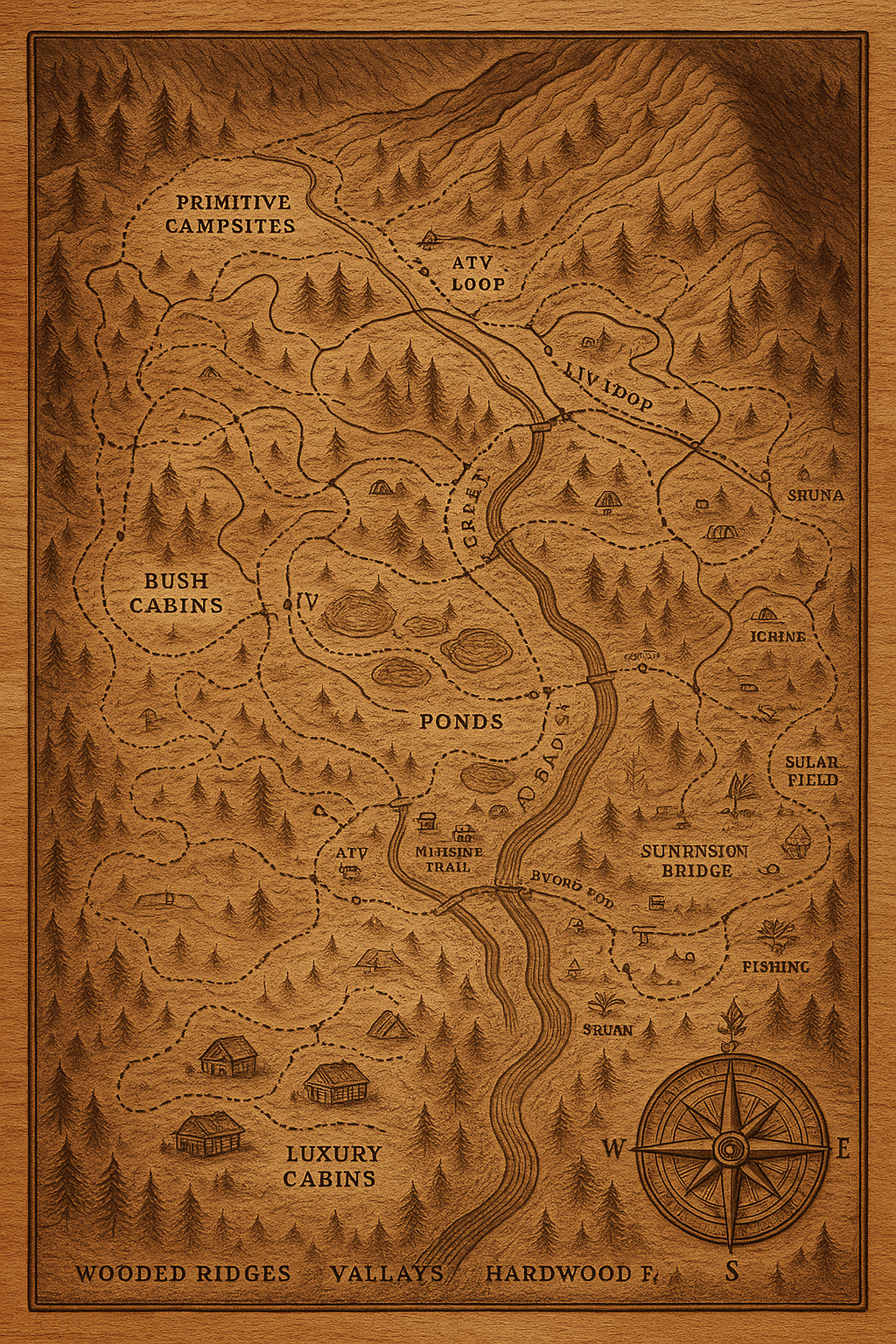
Core perennial & multi-use vegetables
- Good King Henry – Perennial spinach; excellent leafy fodder
- Skirret – Sweet root; people and pig feed
- Sea Kale – Gourmet greens; occasional animal forage
- Scorzonera (Black Salsify) – Human staple, pig feed
- White Salsify – Roots and tops usable
- Hamburg Parsley – Edible leaves and roots
- Cardoon – High biomass leaf fodder
- Crosnes – Human food; limited feed use
- Sea Beet – Chard ancestor; excellent fodder
- Turnip-Rooted Chervil – Human and pig feed
- Alexanders – Greens, seed, and forage
- Patience Dock – Classic perennial fodder plant
- Orach – Heat-tolerant greens for people and poultry
- Rampion – Historic root crop
- Arracacha – Storage root; pig and poultry feed
- Earth Chestnut (Groundnut) – Protein-rich tuber
- Lovage – Long-season harvest; mineral-rich greens
- Oca – Cold-tolerant tuber; excellent pig feed
- Yacon – Sweet storage root; supplemental feed
- Ulluco – Highly resilient Andean tuber
Many of these plants are nearly maintenance-free once established and can remain productive for generations.
Community-first stewardship
These perennial gardens are shared community resources, not individually owned plots. Families participate in light stewardship and respectful harvesting while benefiting from steady, dependable food and forage.
- Encourages knowledge sharing
- Supports intergenerational participation
- Reduces individual workload
- Strengthens long-term land health
Zero-stress food security
The perennial system removes pressure from food production. There are no strict planting calendars, no fragile harvest windows, and no dependency on annual seed cycles.
Food grows when conditions are right—quietly, reliably, and year after year—feeding people, supporting animals, and anchoring Summit Hallow’s homestead ecosystem in long-term resilience.