
Structure
Structure Is the First Line of Defense
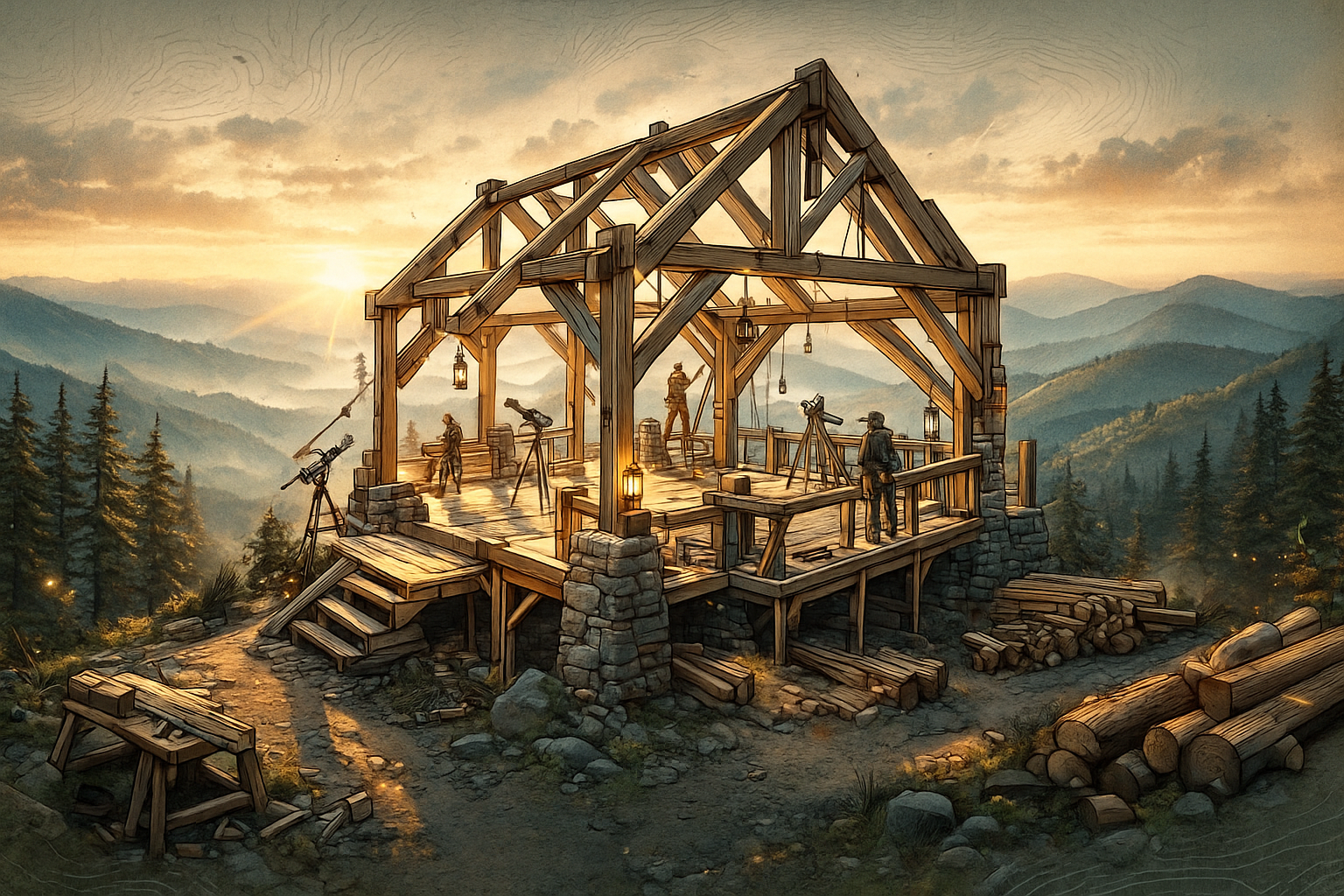
Summit Hallow is structured with the understanding that most land-based projects fail because of structural weakness, not vision. Capital pressure, unclear authority, blended assets, and misaligned incentives eventually force decisions that damage land, operations, and community.
This structure exists to prevent that.
Summit Hallow separates operations, land ownership, and governance intentionally—so that each can do its job without compromising the others. The result is a system designed to survive market cycles, leadership transitions, and capital turnover while remaining mission-aligned.
This is not flexibility for convenience. It is rigidity for protection.
Operating entity
All investor participation occurs through Summit Hallow Cabin Resort LLC, the operating entity responsible for building, running, and maintaining the resort and its associated systems.
Land ownership & lease
The underlying land is held separately and leased to the operating company under long-term, mission-aligned terms so land remains land—and not collateral.
Governance
Governance is designed to remove ambiguity, reduce internal friction, and protect long-term trust as people and capital change.
Operating entity
- Development and maintenance of cabins and guest facilities
- Operation of lodging, retreats, and guest experiences
- Management of staff, systems, and day-to-day execution
- Deployment of capital into productive infrastructure
- Generation of operating revenue and disciplined cash flow
The operating entity does not own the land. This is deliberate. Investors participate in performance, not land speculation.
Land ownership & lease model
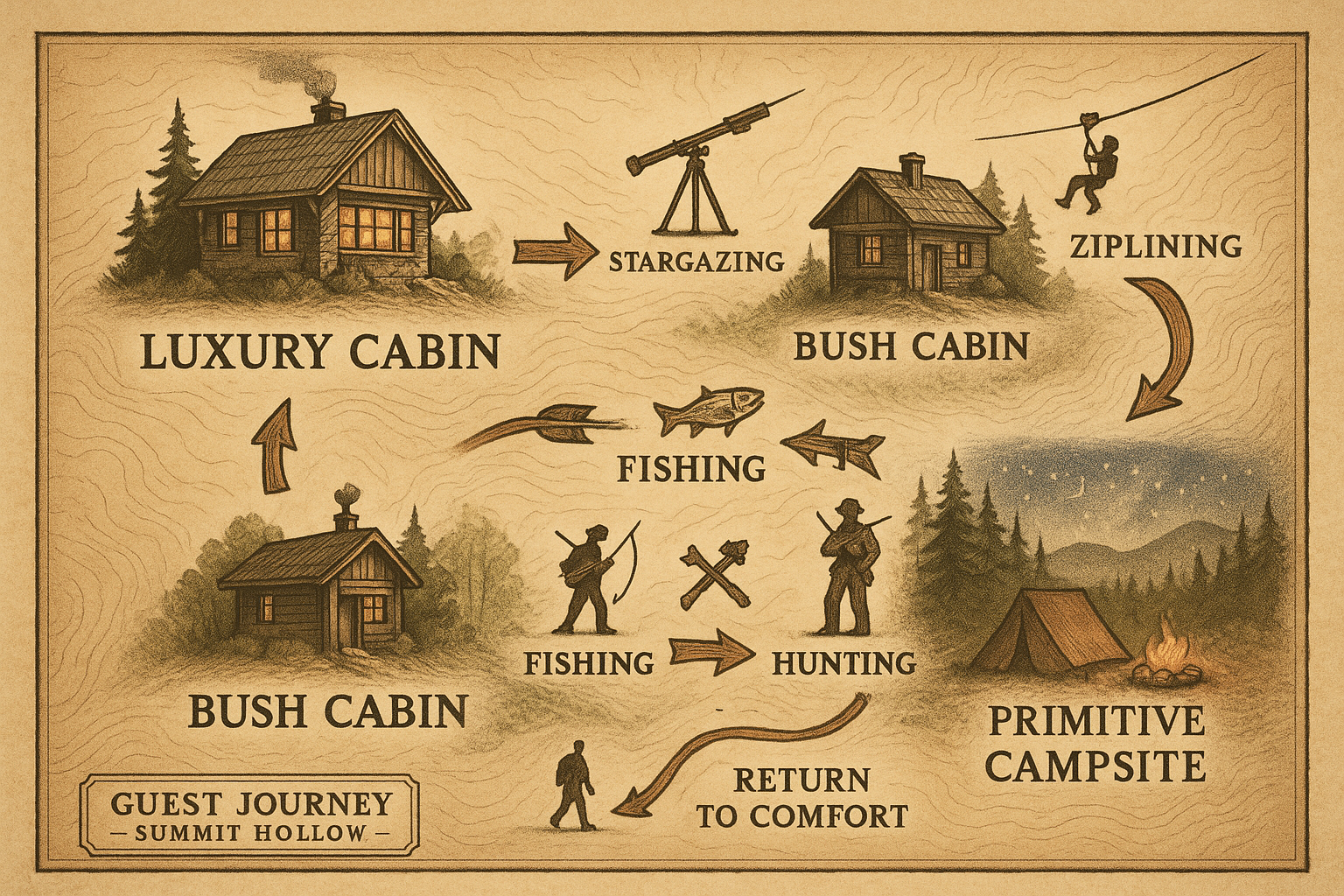
The underlying land is held in a separate land-holding entity and leased to the operating company under long-term, mission-aligned terms.
- The land cannot be sold to satisfy short-term liquidity
- The land cannot be refinanced into fragility
- The land cannot be fragmented or repurposed
- The land remains aligned with community and stewardship goals
The operating company earns returns by using the land responsibly and productively—not by monetizing the land itself.
Why this separation exists
In conventional structures, land and operations are bundled together. When markets tighten or capital expectations shift, land is often leveraged, stripped, or sold to protect returns.
Summit Hallow rejects this entirely. This structure does not rely on good intentions. It forces correct behavior.
- Land cannot be sacrificed for yield
- Operators are forced to run a real business
- Investors see true operational performance
- Long-term stewardship is structurally enforced
Capital flows within the structure
- Build and improve physical infrastructure
- Expand operational capacity responsibly
- Increase resilience and redundancy
- Improve guest experience and cash flow stability
- Inflate asset values artificially
- Create short-term markups
- Engineer exits
- Chase speculative appreciation
This is operating capital in the literal sense.
Governance
Governance removes ambiguity, reduces internal friction, and protects long-term trust. Roles, authority, and reporting are clearly defined so the project does not drift as people or capital change.
- Clear separation between ownership, management, and operations
- Defined decision rights and escalation paths
- Regular, predictable reporting
- Long-term orientation over tactical maneuvering
Governance exists not to centralize power, but to keep power from becoming destabilizing.
Stability over optionality
This structure intentionally limits certain options—because optionality is often what destroys long-term assets.
- No single party can force a land sale
- No investor can demand a premature exit
- No operator can mortgage the future for the present
- No short-term gain can override long-term viability
What this structure protects
- The land itself
- The operating business
- The resident community
- Aligned capital
- The mission across generations
It ensures Summit Hallow cannot quietly become something else under pressure.
What investors are actually agreeing to
- Long-cycle thinking
- Operational discipline
- Performance-based returns
- Structural limits on exit behavior
- Land speculation
- Financial leverage games
- Short-term liquidity
Structure as a form of governance
Summit Hallow does not rely on promises. It relies on architecture. This structure is the quiet mechanism that ensures the right decisions are made when pressure arrives—and the wrong decisions are structurally impossible.
Good projects fail without this. Summit Hallow is built not to.
Built to outlast
This structure is not optimized for speed, hype, or flexibility. It is optimized for endurance.