Use of Funds
Capital Deployed to Build Something That Cannot Be Rushed
At Summit Hallow, capital is not treated as fuel for speed. It is treated as structural material—used to build systems that must work under real conditions, across seasons, cycles, and uncertainty.
Every dollar deployed is expected to do one of three things:
- Produce durable operating income
- Increase resilience and reliability
- Reduce long-term operational risk
If capital does not clearly serve one of these functions, it is not deployed.
The objective of Phase One funding is the creation of a fully functional, independent, cash-flow-generating operation that can stand on its own without continued capital infusion.
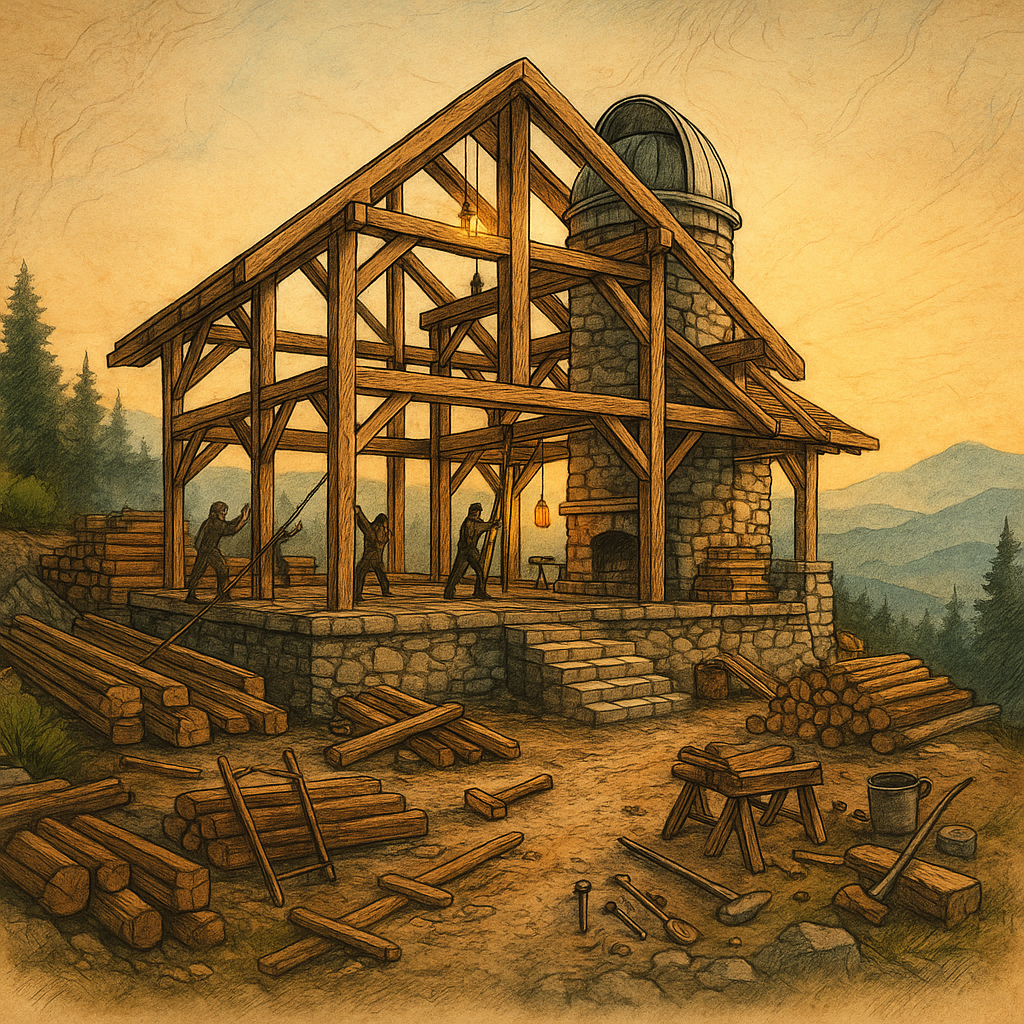
Phase one: what “complete” actually means
- Operate year-round without fragility
- House guests comfortably in all seasons
- Maintain power, water, and access independently
- Deliver a full guest experience without strain
- Generate consistent operating cash flow
- Support staff, maintenance, and reserves internally
Anything short of this is not a phase—it is a dependency. Capital is deployed until the system works as a system, not as a collection of partially finished parts.
Cabin buildout
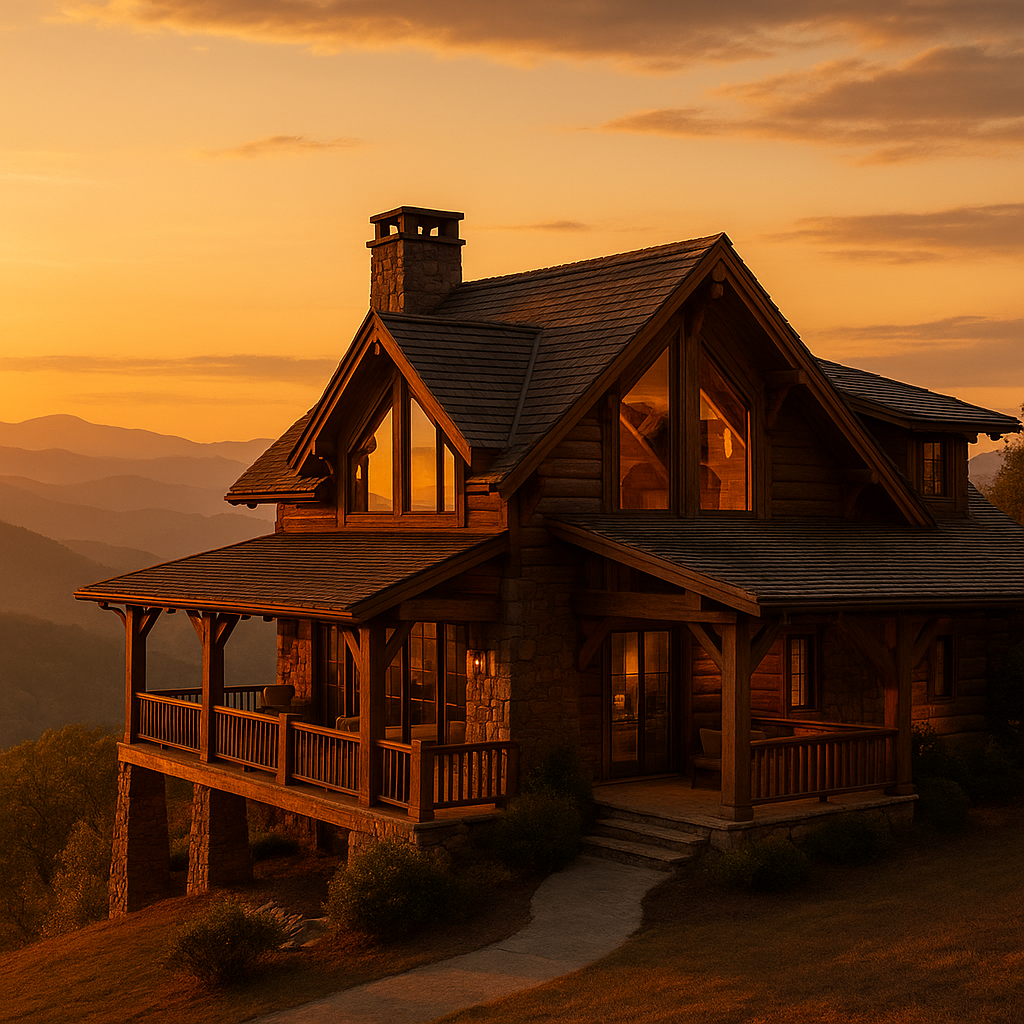
Cabins are primary operating units. They’re built for heavy use, low lifecycle maintenance, and four-season performance.
Infrastructure
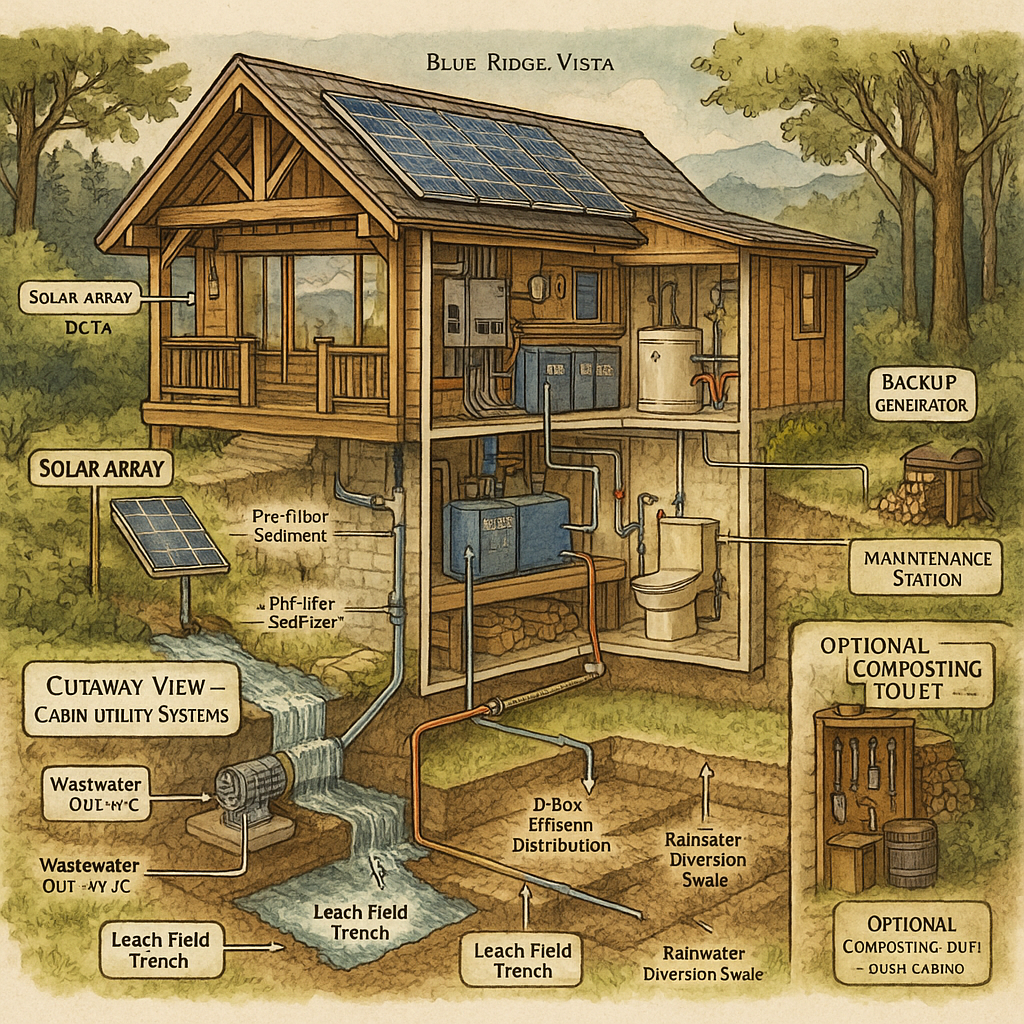
Infrastructure receives disproportionate attention because it is the most common failure point in land-based projects.
Guest experience
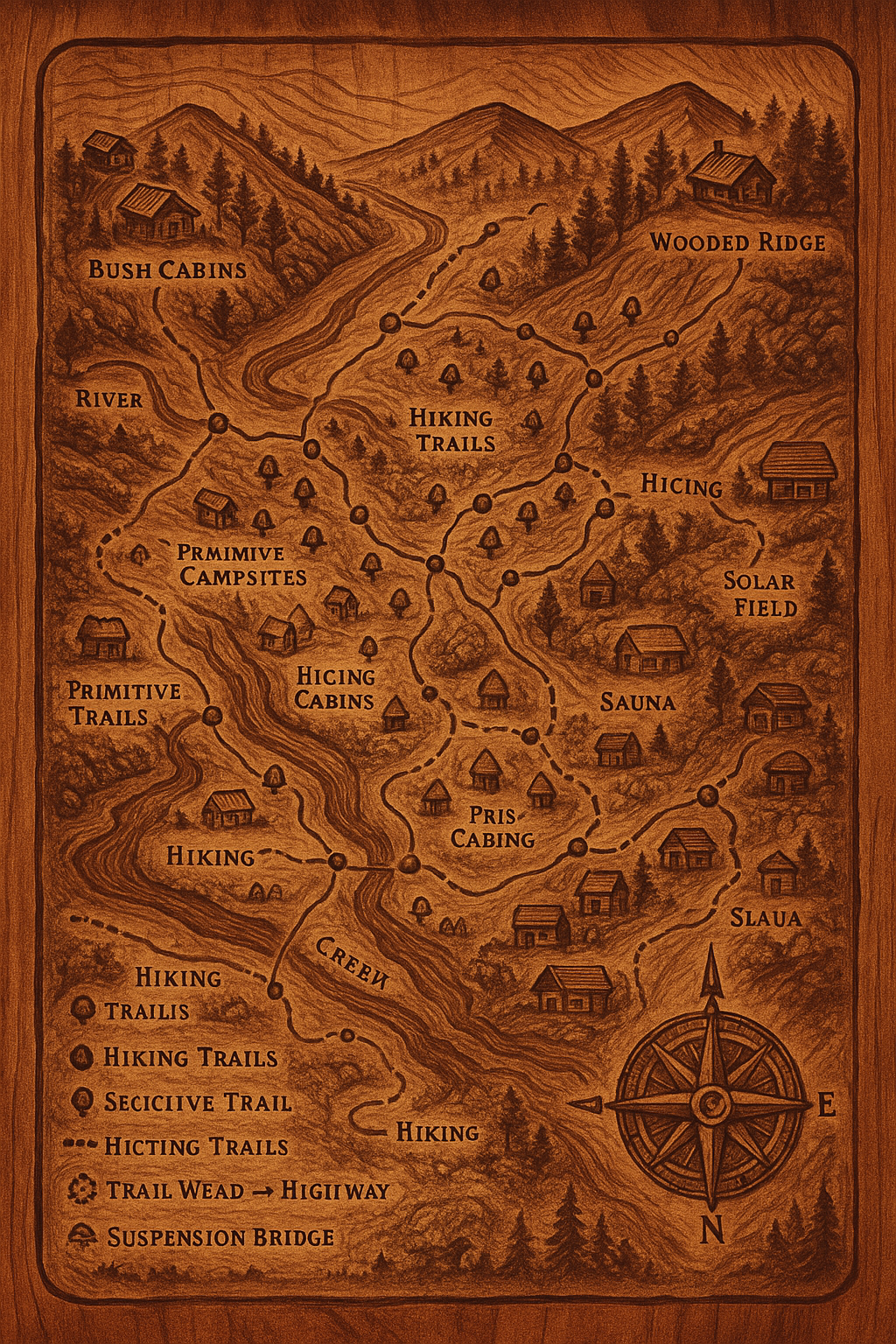
Experience investments are deployed only where they improve occupancy, length of stay, repeat visitation, and pricing power.
Cabin buildout
- Luxury lodge cabins designed for premium nightly rates, longer stays, and family occupancy
- Bush cabins that expand capacity while preserving low-density immersion
- Utility integration (power, water, waste) engineered for year-round use
- Site planning that reduces maintenance and environmental stress
- Materials selected for durability, repairability, and long service life
- Withstand heavy use without degradation
- Minimize lifecycle maintenance costs
- Support four-season occupancy
- Remain relevant for decades, not trends
This is revenue infrastructure, not speculative construction.
Infrastructure
Infrastructure is built as redundant, scalable, off-grid-capable systems that support current operations and future phases without rework.
- Off-grid and hybrid power generation and storage
- Water sourcing, treatment, storage, and redundancy
- Waste, sanitation, and environmental compliance systems
- Roads, access routes, and internal circulation
- Centralized maintenance, storage, and operations facilities
Infrastructure is intentionally sized beyond minimum needs so the system can absorb peak demand, withstand storms and outages, and eliminate emergency capital spending.
Guest experience
- Occupancy consistency
- Length of stay
- Repeat visitation
- Pricing power
- Trail systems that expand usable land and seasonal activity
- Recreation assets that support year-round demand
- Communal and gathering spaces for retreats and buyouts
- Wayfinding, lighting, and safety systems that reduce friction
- Amenities that improve guest flow, comfort, and memory
A strong guest experience reduces reliance on marketing spend and creates organic demand through return visits and referrals.
Capital sequencing
- Infrastructure that prevents failure
- Cabins that generate revenue
- Experience elements that lift yield
- Operational buffers and reserves
This sequencing ensures that no asset is built before the systems that support it are ready. Nothing is rushed into existence.
What capital is not used for
- Speculative land acquisition
- Leverage-driven yield amplification
- Cosmetic branding without operational return
- Premature expansion
- Short-term valuation engineering
Capital is never used to create the appearance of progress. Only actual progress counts.
Accountability & review
- Operational performance
- System reliability
- Guest experience outcomes
- Maintenance burden
- Cash flow consistency
Capital that does not produce the intended effect is not repeated. Learning is built into deployment.
The real end state
Phase One capital is fully deployed when Summit Hallow generates its own operating momentum, maintains systems without crisis, absorbs seasonal and market variability, supports staff/guests/community without strain, and requires no emergency capital to function.
Most projects fail because capital is used to move fast instead of build correctly. Summit Hallow uses capital to build something that works quietly, pays consistently, ages slowly, and endures pressure.
At Summit Hallow, capital is not just welcomed. It is assigned responsibility. Every dollar must earn its place in the system.